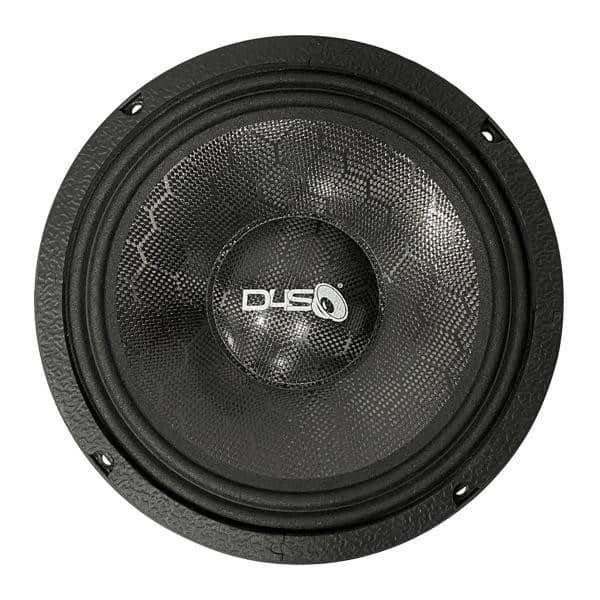
Wakeboard tower speakers are the most misunderstood part of a boat audio system. Most people shop them like car speakers, and then wonder why the rider 80 feet back cannot hear anything. Tower speakers are not car speakers bolted to a bar. They are purpose built for one job: throwing sound across open water, over wind and engine noise, to a rider who is moving away from you at 20 miles per hour. This buying guide covers sizing, marine rated gear, wake versus surf tower mounting, and the power it takes to make it all work.
Why Tower Speakers Are Different
A car interior is a small, reflective box. A boat cockpit is open air, and the listening position is behind the boat. That changes everything about speaker design. Tower speakers need to project, not just play. They need drivers and enclosures tuned for throw, and they need to survive sun, spray, and salt that would kill a car speaker in a season.
The two numbers that matter are output and dispersion. Output is how loud the speaker plays at distance. Dispersion is how wide the sound is at that distance. A good tower speaker balances both, so the rider hears music, not just noise.
Sizing: 6.5, 8, or 10 Inch
Tower speakers come in three common sizes, and the size drives everything else.
6.5 Inch
6.5 inch tower speakers are the entry point. They are light, easy to mount, and fine for a small boat or a rider who stays close. The tradeoff is output. A 6.5 cannot move the air a bigger speaker can, so at 80 feet it runs out of steam. If you mostly surf or keep riders short, 6.5s work. If you board long, skip them.
8 Inch
8 inch is the sweet spot for most boats. An 8 inch speaker with a proper horn loaded compression driver, or HLCD, throws clean, intelligible sound well past 60 feet, and the size still fits most towers without looking like a PA system. Most serious tower setups are 8s.
10 Inch and Up
10 inch tower speakers are the big guns. They are heavy, they need serious power, and they dominate the tower visually. What you get is output that keeps up with a loud boat at full speed. If your boat has a big sub stage and you ride long, 10s are the answer. If not, they are overkill.
HLCD vs Coaxial
The driver choice matters more than the size. HLCD speakers use a compression driver on a horn, which is what gives tower speakers their throw. Coaxial tower speakers sound smoother up close but fall off fast at distance. For wakeboarding, HLCD wins. For a boat that mostly anchors and hangs out, a good coaxial is fine and cheaper.
Marine Rated Gear Matters
Marine rated is not a marketing word. It means the speaker is built to survive the environment: UV resistant cones and surrounds, stainless hardware, sealed motor structures, and corrosion resistant terminals. An IP rating tells you the water and dust protection level. Look for IP65 or better on tower speakers, because they sit in direct sun and take direct spray.
Salt water is the real test. If your boat lives on salt, stainless hardware and sealed construction are not optional. Rinse the speakers with fresh water after every salt run, the same way you rinse the boat. It adds years to the gear.
Wake vs Surf Tower Mounting
Mounting is where most installs go wrong, because wake towers and surf towers are not the same.
Clamp Styles
Most towers use clamp style mounts that bolt around the tower tube. The critical spec is tube diameter. Towers run from about 1.875 inches to 2.5 inches, and the clamp has to match. Universal clamps with interchangeable shims cover the range, but a clamp that does not fit tight will spin on the tube and destroy the finish.
Wake Towers
Wake towers are the tall, swept structures designed to hold riders on a rope. They are built for load, so they take speaker weight well. Mount speakers high on the tower for maximum throw, and keep the weight balanced side to side. A heavy speaker on one side changes the boat’s attitude at speed.
Surf Towers
Surf towers are lower and shorter, designed for surf ropes. They are not built to carry the same weight as a wake tower, so keep the speakers light and mount them close to the tower structure. The lower mounting height is actually fine for surfing, because the rider is close to the boat. For wakeboarding, the lower height costs you throw, so size up if you board.
Gimbal and Swivel Mounts
Gimbal mounts let the speaker angle change, so you can aim at the rider or at the boat. They add flexibility and a little weight. If you anchor a lot, gimbals are worth it. If you only ever ride, fixed mounts aimed at the rider position are simpler and cheaper.
Power: Amps and Wiring
Tower speakers are power hungry, and the amp is half the system. A pair of 8 inch HLCDs wants 150 to 300 watts RMS each. A pair of 10s wants 300 to 500 each. Underpowering tower speakers is the most common mistake in boat audio, because the speakers play, so it sounds fine, until the rider says they cannot hear anything.
Run a dedicated amp for the tower, not the cockpit channels. A two channel amp bridged or a four channel amp with two channels on the tower is the standard setup. The same rules apply on two wheels; our motorcycle amplifier guide covers compact powersports amps. Wire it with marine tinned wire, 12 gauge or heavier for the power run, and fuse it at the battery. Use heat shrink connections everywhere, because boat vibration and moisture find every weak joint.
DSP and Tuning
A marine DSP is the difference between loud and good. Tower speakers are often mounted far from the cockpit speakers, which wrecks the timing. A DSP lets you delay the tower channels to align with the cockpit, and it gives you a proper crossover for the HLCDs. If your budget allows one thing beyond the speakers and amp, make it the DSP.
Budget and Brand
Tower speaker pricing is honest about what you get. Entry level 6.5s are cheap and sound like it at distance. Mid range 8 inch HLCD sets are the value point, with real throw and marine construction. Premium 10 inch sets cost real money and deliver real output, but only if the amp and DSP keep up.
Buy from a brand that builds marine audio as its core business, not a car audio brand with a boat sticker on it. Marine construction is a different engineering problem, and the brands that do it full time get the details right.
Build the Tower Setup That Reaches the Rider
Tower speakers are a system, not a part. Size them for how you ride, buy marine rated gear, mount them for your tower type, and feed them with a real amp. Get those four things right and the rider hears the music, not just the boat. Shop the marine rated wake tower speaker selection at Down4Sound and build the tower setup that keeps the whole boat in the mix.
The same install discipline applies on land. If your truck doors are still running factory locations, custom 6.5 speaker pods fix the same aiming and enclosure problems, and a Down4Sound shirt is the right way to rep the brand at the ramp.
Wake Tower Speakers: Quick Answers
What size wake tower speakers sound best?
For most boats, 8 inch tower speakers with a horn loaded compression driver sound best at rider distance. A 6.5 inch set works for small boats and short rope lengths, while 10 inch speakers deliver maximum output for loud boats at full speed. Match the size to how far back your rider sits and how much power you can feed the speakers.
Are wake tower speakers waterproof?
Good tower speakers carry a real marine or IPX rating, not just a marketing claim. Look for IP65 or better, with UV resistant cones, sealed motor structures, and stainless hardware. Rinse them with fresh water after salt water runs and they will last for years.
How much power do tower speakers need?
Plan on 150 to 300 watts RMS per speaker, which is the working range for tower setups. Larger 10 inch speakers can want 300 to 500 watts RMS each. Underpowering is the most common mistake in boat audio, so run a dedicated amp for the tower.
Will tower speakers fit my boat’s tower?
Fit comes down to clamp diameter matching your tower tube. Common tower tubes run from about 1.5 to 2.5 inches, and the clamp has to match. Universal clamps with interchangeable shims cover the range and keep the speaker from spinning on the tube.
Next Reads
- Amp Finder Guide: How to Choose the Right Car Amplifier
- Monoblock Amp Guide: What It Is and How to Choose One
- Bass Blockers for Tweeters: Capacitor Math and Install
Wind, spray, and engine noise eat weak speakers alive at the end of the rope. Check out the wake tower speakers at Down4Sound. Financing is available on the full marine lineup, so towers and amps can ride the same plan.