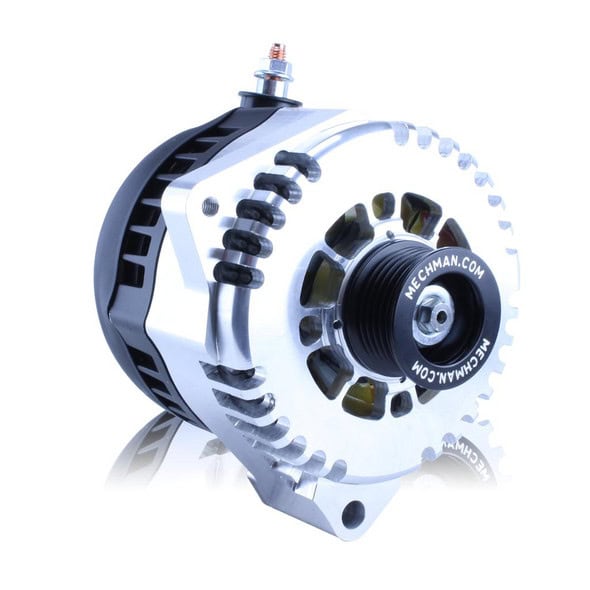
How much is a new alternator? The short answer: a stock replacement runs $150 to $500 for the part, labor adds $100 to $250, and a high output alternator for car audio runs $300 to $900 depending on amp rating and vehicle fitment. Total out the door, most drivers pay $400 to $900 for a standard replacement, and enthusiasts pay more for a high output unit that actually fixes their voltage problems. This guide breaks down every price point so you know what you are paying for and when it is worth spending more.
Stock Replacement Alternator Prices
A new or remanufactured stock alternator for a mainstream car or truck costs $150 to $500. Remanufactured units are cheaper, usually $150 to $300, and new OEM units run $300 to $500. Luxury and European vehicles cost more, often $600 to $1,500, because the parts are OEM-only and the engine bays are tighter.
Labor to swap an alternator runs $100 to $250 at an independent shop, and more at a dealer. On most vehicles the job takes one to two hours. On transverse engines where the alternator sits low and behind the mount, expect the high end of that range.
High Output Alternator Prices
A high output alternator is a different product with a different price. These are built with heavier stators, higher rated diodes, and better bearings, and they are usually built to order for your specific vehicle. Prices break down like this:
- 200 to 250 amp units: $300 to $500
- 270 to 320 amp units: $450 to $700
- 350 to 400 amp units: $600 to $900
The price scales with amp rating, case size, and how common your vehicle is. A 400 amp alternator for a popular GM truck platform is cheaper than a 250 amp unit for a rare European car, because the tooling and core supply are better.
Why a High Output Alternator Costs More Than a Stock One
You are not paying for a bigger number. You are paying for parts that survive the current:
- A heavier stator winding that does not overheat at sustained output
- Higher rated diodes that handle the rectifier load without failing
- A larger or better ventilated case for heat management
- New bearings and a properly balanced rotor
- Bench testing at full load before it ships
A stock alternator rated at 130 amps will not make 250 amps no matter what you do to it. The internals are the cost.
When the Cheaper Option Costs You More
Here is the trap: you can replace a failing stock alternator with another stock alternator for $300, but if your car audio system is what killed the first one, the second one dies the same way. A system that draws 150 amps continuous will cook a 130 amp alternator. The alternator runs hot, the diodes fail, and you are back in the shop.
If your alternator died while running a big amplifier, the smart money is a high output alternator sized to the system. It costs more up front and saves you the second replacement. Run the sizing math from our high output alternator guide before you buy.
Aftermarket Alternator vs OEM: Which Should You Buy?
For a daily driver with a stock electrical system, an OEM or quality reman unit is fine. For anything with added electrical load, an aftermarket alternator is the better buy:
- Aftermarket high output units are built for sustained current, not just peak
- They are matched to your vehicle’s mounting and pulley, same as OEM
- They come with real warranties from the builder
- They hold voltage at idle, which stock units cannot do under load
The one thing to check with any aftermarket alternator is fitment. Confirm the case style, pulley, and connector match your vehicle before ordering. A reputable seller will confirm fitment before you pay.
What You Should Expect to Pay, Total
| Scenario | Parts | Labor | Total |
|---|---|---|---|
| Reman stock alternator, independent shop | $150 to $300 | $100 to $250 | $250 to $550 |
| New OEM alternator, dealer | $300 to $500 | $150 to $300 | $450 to $800 |
| High output 250 amp, self install | $300 to $500 | $0 | $300 to $500 |
| High output 320 amp, shop install | $450 to $700 | $100 to $250 | $550 to $950 |
| High output 400 amp, shop install | $600 to $900 | $100 to $250 | $700 to $1,150 |
Self install is very doable on most vehicles. If you can change a belt, you can change an alternator. Budget an hour or two and a socket set, and you skip the labor entirely.
Check the high output alternator prices at Down4Sound to see what your vehicle needs. GM truck owners running big systems should look at the 400 amp alternator for GM trucks, and if you are replacing a dead alternator on a stock system, a 250 amp unit is a modest step up that leaves room to grow.
Alternator Prices: Quick Answers
Why do alternator prices vary so much?
Three things drive the price: output rating, build quality, and how common your vehicle is. A reman stock unit for a mainstream car runs $150 to $300, while new OEM units run $300 to $500. High output alternators are built to order for 200 to 400 amps and cost $300 to $900 because the internals are heavier and every unit is bench tested. Luxury and European vehicles sit higher across the board.
Is a remanufactured alternator worth it?
Yes. For a stock daily driver, a quality reman is the best value in the category at $150 to $300. Good remans get new bearings, brushes, and tested diodes, and shops install them every day. The exception is when added electrical load killed the original, because an equal reman will fail the same way.
How much does alternator installation cost?
Expect $100 to $300 in labor depending on the vehicle. Most swaps take one to two hours at an independent shop, and dealers charge more. Tight transverse engine bays sit at the high end, and a self install with a socket set costs nothing but an afternoon.
Can I drive with a failing alternator?
Only as far as the battery carries you, which is often under 30 minutes with the lights and blower on. Once the battery drains, the engine stalls and will not restart. Driving it also deep cycles a battery that was never built for it, which can turn one repair into two.
Related Builds and Guides
- Car Audio Alternator Upgrade: Signs, Sizing, Install Tips
- 5000 Watt Amp: Real Power, Real Electrical Demands
- 0 Gauge Wire Kit Guide: What to Buy for Big Amps
Once you know the 2026 price ranges, the next step is picking a unit that fits and delivers. Shop the high output alternators at Down4Sound, with fitment confirmed before anything ships. Financing is available for shoppers who want the total spread out into easy monthly payments.